Cascais is still a fishing town with a restaurant problem of the good kind: too many plates of grilled fish, not enough evenings. This food guide is for travellers who want seafood, Portuguese wine, and a market morning in Cascais — and for groups who will cook or bring a chef into a private house. It is not a sponsored list of ten “hidden gems.” Eat in the historic centre, at the marina, along the Estoril promenade, and at least once at the table in Cascais Vacation, a 10-bedroom exclusive-use villa with a serious kitchen, not a hotel breakfast buffet.
What the Atlantic puts on the plate
The honest Cascais meal is fish that was a boat problem this morning. Sardines in summer, sea bream and sea bass most of the year, octopus, squid, clams, and the various ways Portugal treats bacalhau (salted cod) even though the fish is not local. Cataplana-style stews and simple grills with olive oil, garlic, and lemon are the local grammar. If a menu is mostly burgers and nachos, you have left the plot.
Town-beach days pair with a late lunch; Sintra days pair with a proper dinner back on the coast. The Cascais area guide will get you to the centre and the marina; this page is what to do when you sit down.
Mercado da Vila and shopping like a resident
Mercado da Vila, the municipal market, is where a self-catering week becomes Portuguese. Fruit, vegetables, fish counters, and the usual hardware of a local market — not a food hall invented for visitors, even if visitors now walk through it. Go in the morning. If you are feeding ten people at Cascais Vacation, this is a better first stop than a supermarket run for everything. Bread, wine, and the extra bits can come from nearby shops; the fish should come from a counter where you can point.
Autumn markets feel more local than August ones. That seasonal shift is covered in the fall guide; the culinary point is that menus and stalls both calm down, and you can ask questions.
Petiscos, pastry, and the hours between meals
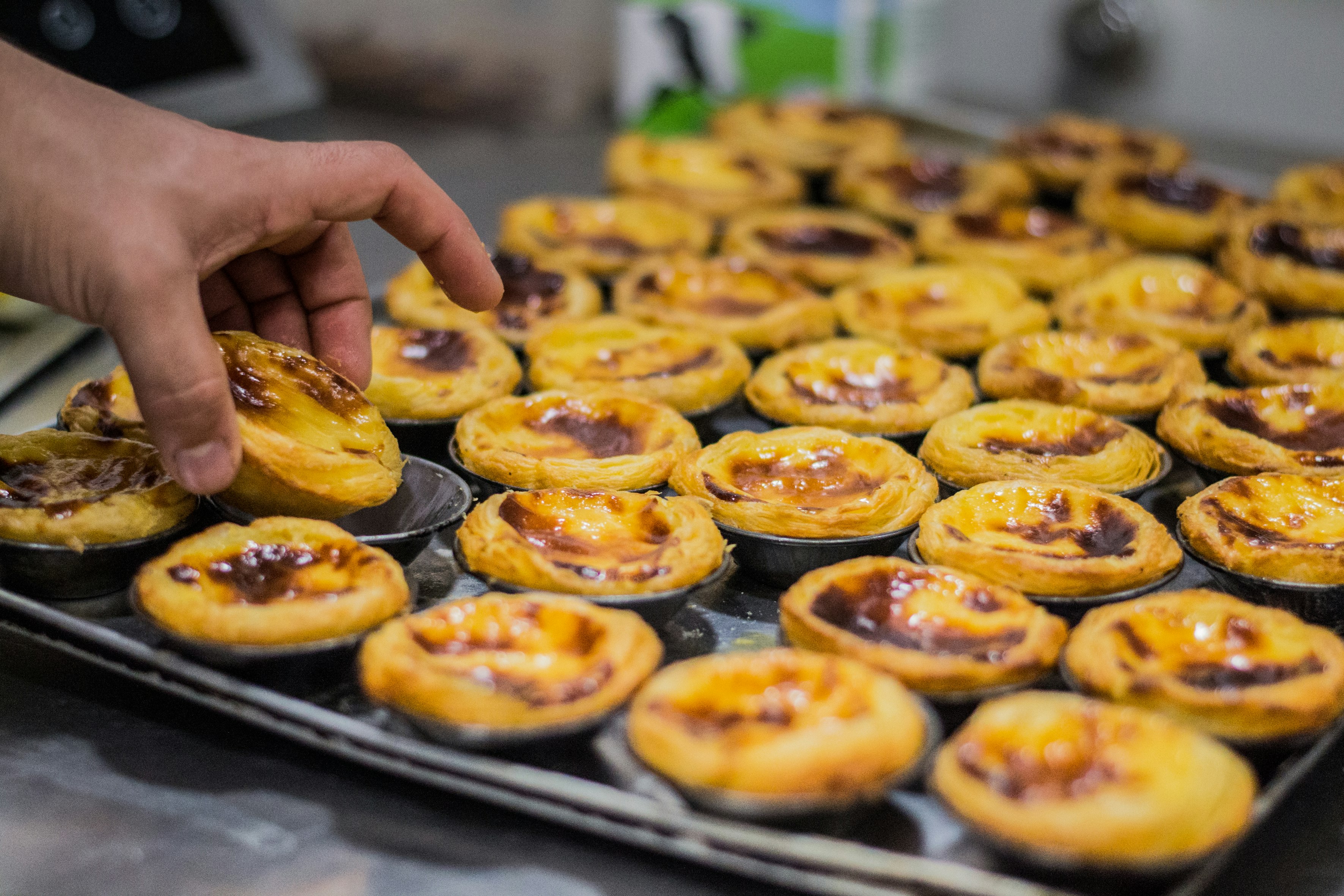
Eat small things. Olives, cheese, prego-style steak sandwiches, grilled chouriço when you see it done well, and whatever the board calls petiscos. Pastéis de nata are not a Cascais invention — Belém still owns the myth — but every Cascais stay will include custard tarts anyway. Gelato on the passeio is a family hour, not a course. Coffee is short. Breakfast at the house is how groups avoid turning 10 a.m. into a restaurant negotiation.
Wine without a lecture
You are on the Lisboa wine coast. Vinho Verde (from further north) is the heat-day white people actually want with sardines. Lisboa region whites and light reds do the rest of the table. Colares, just inland, is the local story: old vines in sand, tiny production, a taste that is more interesting than it is plentiful. Book a tasting if the group cares; do not expect every restaurant to pour a library of ramisco.
Douro reds appear on lists because Portugal is proud of them, and they are the right bottle for a meat night. Alentejo is the generous, warmer red. You do not need a sommelier on retainer. You need one person willing to say “white, local, cold.”
Where to sit, without a fake top-ten
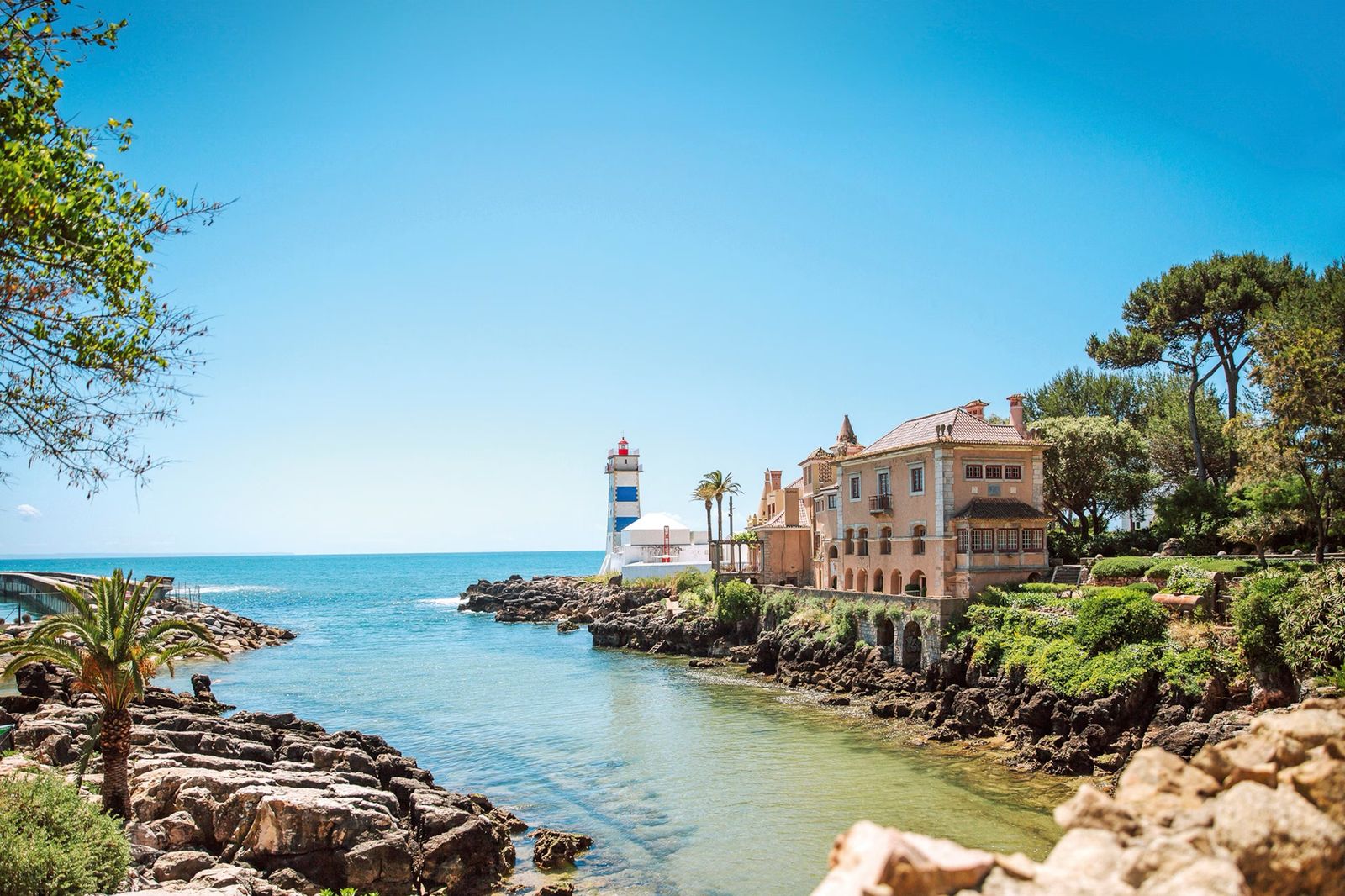
Use geography, not a ranking. The historic centre is for wandering into a table you like the look of — cobbles, outdoor seating, fish. The marina is for a slightly more dressed evening and a walk after. The Estoril/Tamariz promenade is for a beach-day lunch. West toward Guincho, the dining rooms that look at the open Atlantic are the special-occasion setting; Fortaleza do Guincho is the long-established name on that cliff, useful when you want a proper room and a view of the beach this guide keeps telling surfers to visit. Casa da Guia, on the coast road, is a cluster of food and shops with ocean air — informal, easy with a mixed group.
Book Friday and Saturday in summer. Walk in at 12:15 or 14:30 if you hate waiting. Large groups from a 10-bedroom house should not ambush a 40-seat taverna at 20:30 in August; cook at home that night.
Cooking and catering at Cascais Vacation
The villa kitchen is built around two large islands, with the kind of counter space that makes a group breakfast or a chef’s service possible. Indoor dining for 28 and outdoor dining for 30 is listing fact, not a metaphor. On-site catering is available at an additional charge. That is how reunions and offsites eat without losing the afternoon to fourteen separate steak orders.
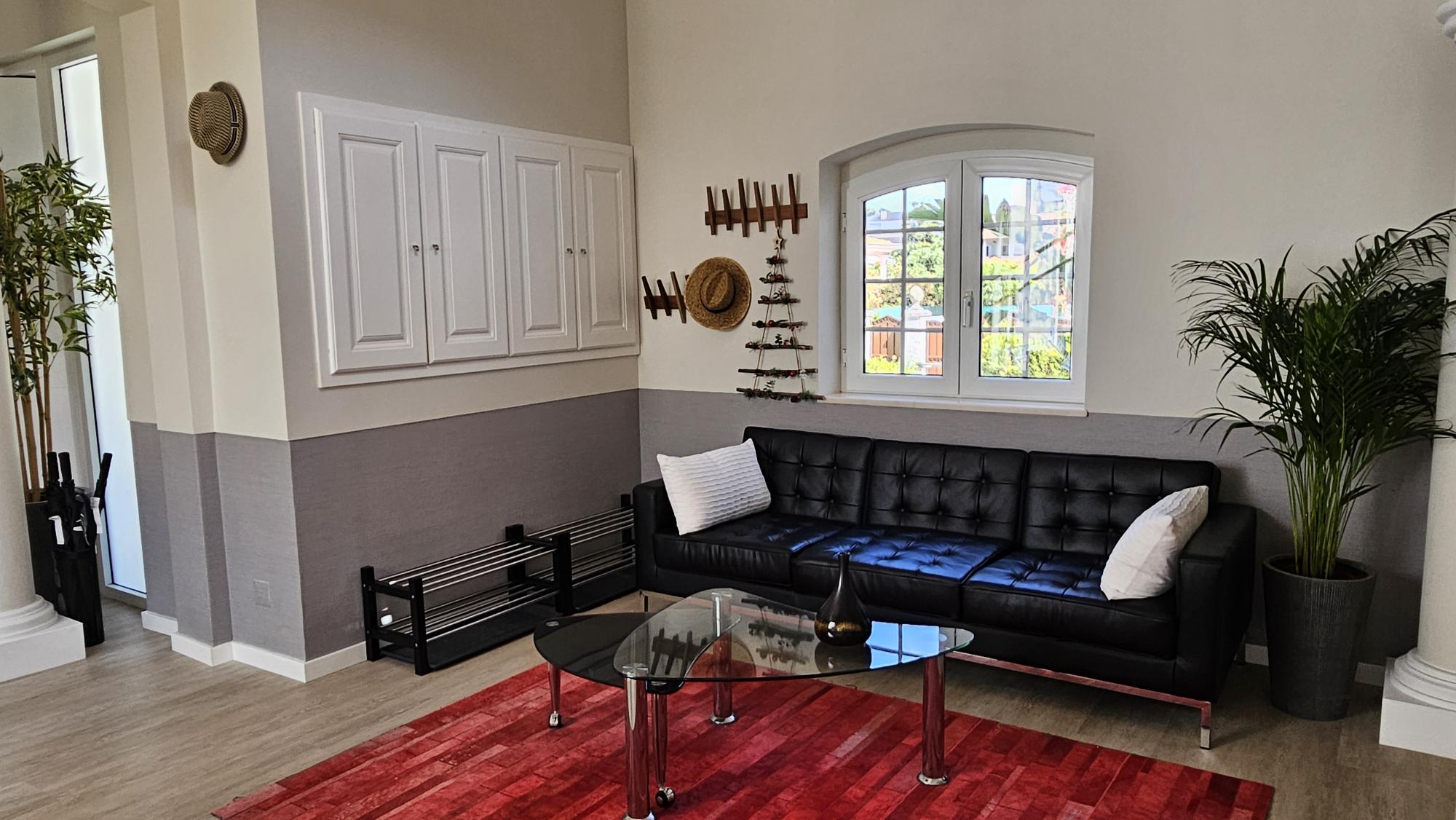
See the gallery for living and outdoor rooms, and the events guide if the meal is the event. Corporate groups should put lunch on site on working days — the business retreat page is the product overview.
A three-night eating plan
- Night 1: Historic centre, grilled fish, early enough to walk the citadel after.
- Night 2: Chef or self-cater at the house; market in the morning.
- Night 3: Marina or the Guincho-facing special-occasion room, depending on wind and the will to drive.
Drink water, then wine. Leave room for fruit from the market. Cascais will feed you if you let the Atlantic set the menu. When you know your dates, contact Cascais Vacation and say whether you want catering, a kitchen you will actually use, or both. The house is exclusive-use — one group, one table — which is the only way a food-heavy week in Cascais stays restful.
Related reading
- Hosting Events in Cascais: Private Villa Gatherings, Weddings, and CelebrationsContinue
- Summer in Cascais: Town, Dining, Day Trips, and When to VisitContinue
- Fall in Cascais: Off-Season Weather, Beaches, and Value on Portugal's CoastContinue
- Portugal Travel Guide: Why Cascais Should Be Your BaseContinue
Stay at Cascais Vacation
Cascais Vacation is a 10-bedroom exclusive-use house in Cascais, Portugal — a privately rented home, not a hotel. Google sometimes confuses villa searches with Hotel Villa Cascais; this is a single house for your group only.